
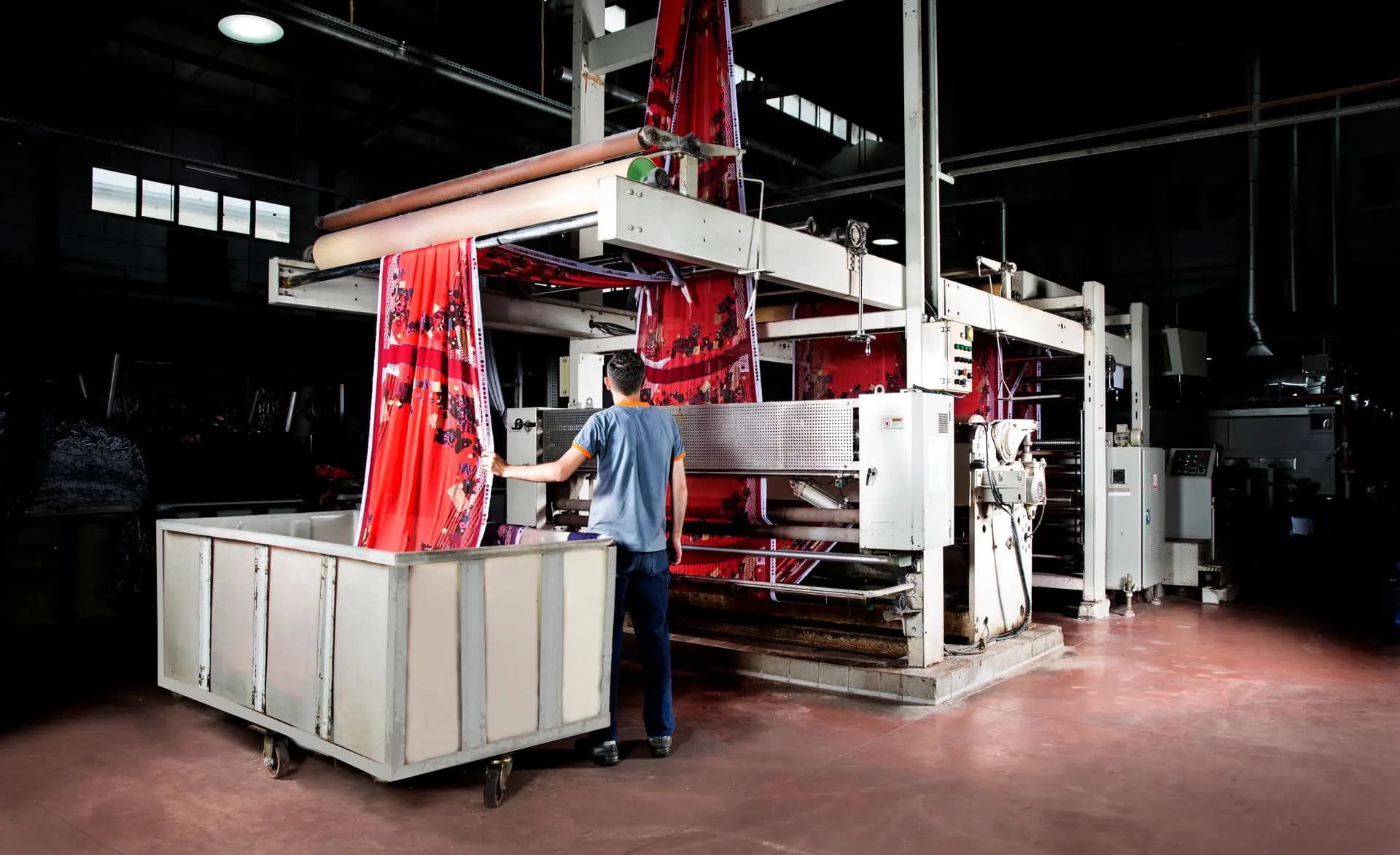
Dyed red fabric running through a textile printing and finishing machine
Chemical Management

Textile Chemicals: ZDHC CMS, MRSL & Wastewater Coaching

ZDHC CMS implementation, MRSL/RSL gaps, wastewater readiness and InCheck / Supplier to Zero coaching.

  • Market route first
  • Evidence files aligned
  • Less rework before audits

Chemical Management Challenges

Chemical management in dyeing, printing and coating is hard because inventory, restricted substances and wastewater data must form one evidence chain.

Incomplete chemical inventory

Factories often lack a complete chemical inventory and SDSs, so MRSL status cannot be checked.

MRSL/RSL gaps

Restricted-substance failures often come from formulations or incoming materials and must be traced to specific chemicals.

Wastewater testing & data

The ZDHC Wastewater Guidelines set clear sampling, parameter and reporting requirements; incomplete data is rejected by buyers.

InCheck / Supplier to Zero readiness

Platform reporting and score improvement require a verifiable chemical-management foundation first.

Related Compliance Support

QTC organises coaching along the ZDHC path: from chemical inventory to MRSL gaps, substitution, wastewater and platform readiness.

ZDHC CMS Chemical Management Implementation

Staged

For dyeing, printing and fabric mills asked for ZDHC CMS or InCheck / Supplier to Zero by buyers.

Key Goal

Goal: build chemical management into a verifiable evidence chain

What you get
  • Chemical inventory and SDS organisation
  • MRSL gap analysis and substitution route
  • Wastewater readiness and data organisation
  • InCheck / Supplier to Zero reporting preparation

ZDHC & Higg Environmental Readiness

Staged

For textile factories asked for both ZDHC chemicals and the Higg FEM environmental module.

Key Goal

Goal: satisfy buyer environmental and chemical requirements together

What you get
  • Benchmarking against ZDHC and Higg FEM environmental requirements
  • Chemical and environmental permit file organisation
  • Wastewater and energy data preparation
  • Environmental module self-assessment preparation

Chemical Management Coaching Route

Progress through inventory → MRSL gap → substitution → wastewater readiness → platform readiness.

1

Chemical inventory

Build a complete chemical inventory with SDSs and purchasing records.

Deliverables
  • Chemical inventory
  • SDS archive
2

MRSL gap analysis

Check formulations and incoming materials against the ZDHC MRSL, flagging restricted-substance risks.

Deliverables
  • MRSL gap list
3

Substitution

Define substitution routes for non-conforming chemicals and confirm compliance status with suppliers.

Deliverables
  • Substitution route and supplier confirmation
4

Wastewater readiness

Prepare sampling, parameters and reporting data per the ZDHC Wastewater Guidelines.

Deliverables
  • Wastewater test plan
  • Report data
5

InCheck / Supplier to Zero readiness

Organise the evidence needed for reporting and prepare platform submission and score improvement.

Deliverables
  • Reporting evidence pack

MRSL vs RSL vs Wastewater vs Platforms

What the four ZDHC-related tools and lists each govern, and QTC's role.

Tool / listWhat it governsTargetQTC role
ZDHC MRSLRestricted substances in chemical formulationsChemical formulations (input)Gap analysis and substitution coaching
RSLRestricted substances in finished productsFinished products (output)Test plan and coordination
Wastewater GuidelinesWastewater sampling, parameters and reportingFacility wastewaterSampling and data-preparation coaching
InCheck / Supplier to ZeroPlatform reporting and scoringSuppliers and facilitiesReporting-preparation coaching

QTC is an independent coaching partner that prepares factories for ZDHC and complements ATP training.

Regulatory References

The key lists, guidelines and platforms on the ZDHC path.

ZDHC MRSL

Manufacturing Restricted Substances List; the benchmark for checking formulations and inputs.

ZDHC RSL

Finished-product restricted-substances list, corresponding to buyer RSLs.

ZDHC Wastewater Guidelines

Unified sampling, parameter and reporting requirements for wastewater.

InCheck / Supplier to Zero

ZDHC platform reporting and scoring tools; QTC provides reporting-preparation coaching.

FAQ

The questions factories ask most often about ZDHC chemical management.

QTC is an independent coaching partner that prepares factories for ZDHC, organises evidence and complements ATP training.

Five Coaching Lines

Related needs are also organised by coaching line

Social responsibility, ESG/sustainability, quality, environment and supply-chain security are organised across industries; each hub links back to the Textile industry page and its scheme pages.

Why QTC

The value of quality coaching rests on a repeatable closed-loop method, field-based coaching capability, and a clear division of work.

Four-step closed loop
1

Diagnose

Run a gap diagnosis against the target scheme and produce a gap list with priorities.

2

Build

Build the system, documents and evidence packs per the gaps.

3

Verify

Verify the system works through a mock audit / pre-audit.

4

Close

Close CAPA evidence, then re-check before the re-audit.

Coaching capability profiles

Social compliance (BSCI / SMETA / SLCP)

Coaches gap diagnosis, evidence build and mock audits; delivers gap lists, CAPA plans and evidence packs.

Material traceability & chemicals (GRS / GOTS / ZDHC)

Coaches certificate chains, mass balance, MRSL gaps and wastewater readiness.

Higg FEM, carbon & DPP

Coaches self-assessment data, carbon inventory and DPP field preparation; verification is performed by a Cascale-approved verification body.

Coach backgrounds

Formerly with Intertek, BV, SGS, NSF and similar bodies

5000+ · QTC Group service cases

QTC's own audit & inspection team

Audits and inspections are both carried out by QTC's own team. Our auditors are experienced, several with audit backgrounds at large certification bodies; they undertake buyer-commissioned second-party audits and pre-audits and issue assessment reports. Inspections are performed by our own inspection team.

Anonymised case

An apparel exporter · BSCI audit readiness

Trigger: a brand customer's BSCI audit was near, with working-hours and wage findings from the previous audit still open. Work: gap diagnosis against the BSCI code, rebuild of working-hours, wage and social-insurance evidence, worker-interview coaching and a mock audit, closing the legacy findings item by item. Outcome: the remediation evidence pack for the legacy findings was completed on schedule, and the re-audit proceeded as planned.

Boundary statement

Certificates, verification statements and test reports are issued by the accredited body or laboratory that performs the work; formal audits are performed by accredited bodies, scheme owners, or the buyer's own auditors.

Turn chemical management into an evidence chain

Share your chemical inventory, SDSs or buyer ZDHC requirements. QTC will identify MRSL and wastewater data gaps first.

Contact QTC