
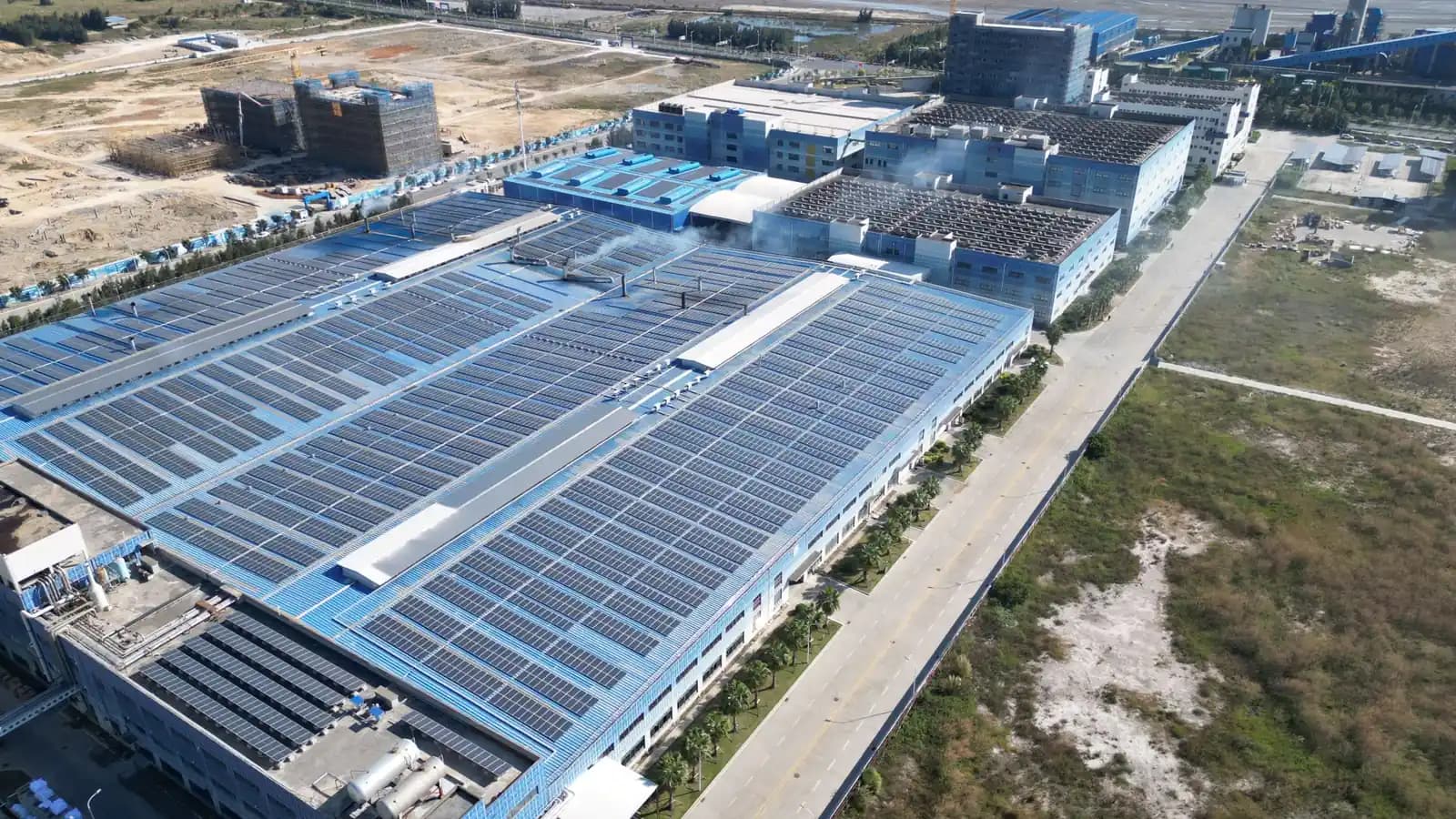
Aerial view of extensive rooftop solar arrays on a factory complex
Higg FEM / Carbon / DPP

Higg FEM, Carbon Inventory & DPP Readiness Coaching

Higg FEM preparation, carbon-inventory coaching and EU Digital Product Passport (DPP) readiness. Verification by a Cascale-approved body; QTC provides coaching and preparation.

  • Market route first
  • Evidence files aligned
  • Less rework before audits

Higg FEM, Carbon & DPP Challenges

Environmental performance, carbon data and product-passport data are interlinked and hard to close in a single preparation.

Higg FEM seven-module data

Data across EMS, energy, water, wastewater, waste, chemicals and air emissions must match the site.

Carbon inventory & product footprint

Organisational and product carbon footprints (ISO 14064-1 / 14067) need reliable activity data and emission factors.

DPP data foundation

Material origin, chemicals, carbon footprint and durability are core EU DPP data fields.

Verification & preparation

Higg FEM verification is performed by a Cascale-approved verification body; factories must first complete self-assessment and data preparation.

Related Compliance Support

QTC organises coaching around the Higg FEM four phases and carbon/DPP data readiness.

Higg FEM Coaching

Staged

For textile and footwear factories asked for a Higg FEM self-assessment or verification by buyers.

Key Goal

Goal: enter Higg FEM verification without known gaps

What you get
  • Seven-module gap diagnosis
  • Self-assessment data and evidence pack
  • Pre-verification preparation and findings remediation
  • Verification support (performed by a Cascale-approved verification body)

Textile Carbon Footprint & DPP Readiness

Staged

For textile suppliers asked for product carbon footprints or EU DPP data by buyers.

Key Goal

Goal: build a verifiable data foundation for carbon disclosure and DPP requirements

What you get
  • Carbon-inventory scope and activity-data list
  • Product carbon-footprint calculation coaching
  • DPP data-field preparation
  • Buyer data-integration readiness

Higg FEM & Carbon/DPP Coaching Route

Progress through gap → data preparation → pre-verification → verification support; verification is performed by a Cascale-approved verification body.

1

Gap diagnosis

Benchmark against the Higg FEM seven modules and carbon/DPP data fields to find missing data.

Deliverables
  • Higg FEM gap list
  • Carbon/DPP data gaps
2

Data preparation

Complete energy, water, wastewater, waste, chemicals and carbon activity data into an evidence pack.

Deliverables
  • Seven-module evidence pack
  • Carbon activity-data list
3

Pre-verification preparation

Run a pre-check from a verification perspective, close findings and review data consistency.

Deliverables
  • Pre-verification findings and remediation
4

Verification support

Support file presentation and clarification during verification, which is performed by a Cascale-approved verification body.

Deliverables
  • Verification-readiness pack
  • Clarification support

Higg FEM vs Carbon Inventory vs DPP

How three sustainability-data topics compare in focus, verifier and QTC's role.

TopicFocusVerifierQTC role
Higg FEMFacility environmental performanceCascale-approved verification bodyCoaching & preparation — no verification
Carbon inventoryOrganisational / product carbon footprintPer disclosure framework, may be assured by a third partyCalculation and data-preparation coaching
DPPProduct sustainability data fieldsPer EU ESPR Delegated ActsData-preparation coaching

Higg FEM verification is performed by a Cascale-approved verification body.

Regulatory References

The main frameworks for environmental performance, carbon and product passports.

Higg FEM

Facility environmental-performance self-assessment and verification framework.

ISO 14064-1

Organisational-level greenhouse-gas inventory and reporting.

ISO 14067

Quantification and reporting requirements for product carbon footprints.

ESPR / DPP

EU Digital Product Passport framework; textile Delegated Acts are expected to take effect progressively between 2027–2030.

FAQ

The questions factories ask most often about Higg FEM, carbon inventory and DPP.

Higg FEM is a facility environmental-performance self-assessment and verification framework that produces an environmental performance score the facility can share with buyers. Verification is performed by a Cascale-approved verification body; QTC provides coaching and preparation.

Related Practical Guides

Learn more about global compliance procedures and technical notes.

Higg FEM fundamentals

What Is Higg FEM and Why Do Facilities Use It?

Explains the role of Higg FEM, when buyers use it, how factories should prepare, and why it is not a government certification.

Read guide
FEM 4.0 readiness

Higg FEM 4.0 Readiness Checklist: What Data Should Facilities Prepare First?

Outlines Higg FEM 4.0 preparation logic, including facility boundary, metered data, permits, wastewater, air emissions, waste, chemicals, and management systems.

Read guide
Verification preparation

How to Prepare for Higg FEM Verification

Explains document preparation, site checks, interviews, data traceability, and inconsistency risks before Higg FEM verification.

Read guide
Verification Preparation Guide

Higg FEM Verification Readiness Checklist: Full Guide to Textile Factory Environmental Performance Assessment

Detailed guide to Higg FEM (Facility Environmental Module) assessment module structure, verification process, data requirements, and common scoring deductions — helping textile factories systematically prepare for Higg FEM self-assessment and third-party verification.

Read guide
Regulatory Trend Analysis

EU Digital Product Passport (DPP) & ESPR: Essential Guide for Textile Suppliers

Analysis of EU Ecodesign for Sustainable Products Regulation (ESPR) and Digital Product Passport (DPP) impact, timeline, and data preparation requirements for the textile industry.

Read guide
Methodology Guide

Textile Product Carbon Footprint (PCF) Calculation Guide: Methodology, Boundaries & Data Sources

Introduction to textile product carbon footprint (PCF) calculation methodologies (ISO 14067, GHG Protocol), system boundaries, hotspot emission stage identification, and Higg MSI data utilization guidance.

Read guide
Product carbon footprint

How to Calculate Product Carbon Footprint: From Life Cycle Boundary to Hotspot Analysis

Explains the difference between product carbon footprint and corporate GHG inventory, including life cycle boundary, functional unit, data collection, hotspot analysis, and customer claim risks.

Read guide
Five Coaching Lines

Related needs are also organised by coaching line

Social responsibility, ESG/sustainability, quality, environment and supply-chain security are organised across industries; each hub links back to the Textile industry page and its scheme pages.

Why QTC

The value of quality coaching rests on a repeatable closed-loop method, field-based coaching capability, and a clear division of work.

Four-step closed loop
1

Diagnose

Run a gap diagnosis against the target scheme and produce a gap list with priorities.

2

Build

Build the system, documents and evidence packs per the gaps.

3

Verify

Verify the system works through a mock audit / pre-audit.

4

Close

Close CAPA evidence, then re-check before the re-audit.

Coaching capability profiles

Social compliance (BSCI / SMETA / SLCP)

Coaches gap diagnosis, evidence build and mock audits; delivers gap lists, CAPA plans and evidence packs.

Material traceability & chemicals (GRS / GOTS / ZDHC)

Coaches certificate chains, mass balance, MRSL gaps and wastewater readiness.

Higg FEM, carbon & DPP

Coaches self-assessment data, carbon inventory and DPP field preparation; verification is performed by a Cascale-approved verification body.

Coach backgrounds

Formerly with Intertek, BV, SGS, NSF and similar bodies

5000+ · QTC Group service cases

QTC's own audit & inspection team

Audits and inspections are both carried out by QTC's own team. Our auditors are experienced, several with audit backgrounds at large certification bodies; they undertake buyer-commissioned second-party audits and pre-audits and issue assessment reports. Inspections are performed by our own inspection team.

Anonymised case

An apparel exporter · BSCI audit readiness

Trigger: a brand customer's BSCI audit was near, with working-hours and wage findings from the previous audit still open. Work: gap diagnosis against the BSCI code, rebuild of working-hours, wage and social-insurance evidence, worker-interview coaching and a mock audit, closing the legacy findings item by item. Outcome: the remediation evidence pack for the legacy findings was completed on schedule, and the re-audit proceeded as planned.

Boundary statement

Certificates, verification statements and test reports are issued by the accredited body or laboratory that performs the work; formal audits are performed by accredited bodies, scheme owners, or the buyer's own auditors.

Build a verifiable foundation for environmental and carbon data

Share buyer Higg FEM, carbon or DPP requirements. QTC will identify data gaps and preparation order first.

Contact QTC