
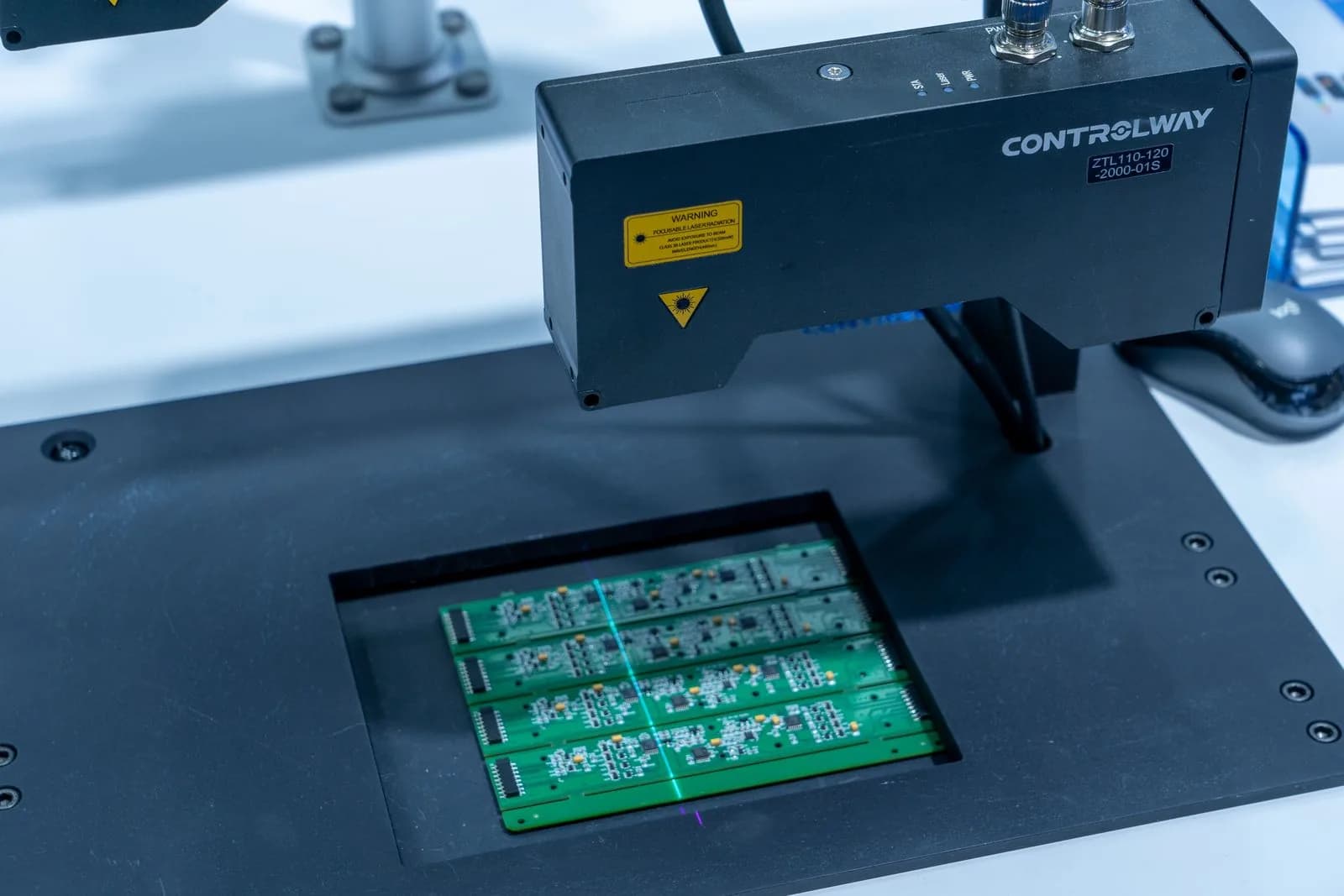
Automated PCB inspection machine running on a production line
RoHS/REACH/SCIP BOM Coaching

BOM-first RoHS/REACH/SCIP Compliance Coaching

BOM-first RoHS/REACH/SCIP coaching for electronics and consumer goods: review declarations and IEC 63000 documentation, test only what documents cannot confirm.

What BOM-first RoHS/REACH/SCIP Coaching Is

For electronics and consumer goods, the right way to environmental material compliance is not to send the whole product to a lab first, but to start from the BOM (bill of materials): review supplier declarations, material data and IEC 63000 technical documentation first, then use risk grading to decide which materials documents can confirm and which must be tested. This track also covers SCIP database notification and REACH Article 33 communication, and names WEEE as an adjacent item and PFAS as a priority watch item. QTC provides coaching, preparation and coordination.

  • Documents first: review supplier declarations, material data and IEC 63000 technical documentation before anything else
  • Risk grading: decide which materials documents can confirm, and test only what documents cannot confirm
  • Covers SCIP notification and REACH Article 33 communication, with WEEE as an adjacent item and PFAS as a watch item
  • QTC coaches and coordinates

RoHS vs REACH SVHC vs SCIP vs PFAS Duties

These four terms are often conflated, but each carries different duties. The comparison below is by "what is controlled and what obligation is triggered", to help you decide which track to run first.

  • RoHS: restricts specific hazardous substances (e.g., lead, cadmium, certain flame retardants) in electrical and electronic equipment; evidence is IEC 63000 technical documentation plus a Declaration of Conformity (DoC)
  • REACH SVHC: candidate-list substances; if an article contains an SVHC above 0.1% w/w, REACH Article 33 communication duties to recipients and consumers are triggered
  • SCIP: ECHA database notification under the EU Waste Framework Directive; articles containing SVHC above 0.1% w/w must be reported at article level
  • PFAS: a priority watch item — a broad substance group without a single unified ban yet, but buyer requirements and regional rules keep tightening
  • WEEE: an adjacent item — take-back, marking and producer responsibility for waste electrical and electronic equipment, distinct from substance restriction

Phased BOM Compliance Coaching Pathway

QTC advances stage by stage, each with verifiable deliverables. Timelines depend on BOM depth, supplier responsiveness and existing documentation, so they are estimated only after gap diagnosis — we do not quote durations before that.

  • BOM collection and structure mapping: obtain the full BOM and break down the article hierarchy (Complex Object / Article)
  • Supplier declaration and material data review: verify declarations (e.g., IPC-1752), material data and IEC 63000 technical documentation
  • Risk-graded substance screening: screen each material for RoHS substances, REACH SVHC and PFAS watch items
  • Test only what documents cannot confirm: coordinate sister/peer laboratories, avoiding blanket whole-product testing
  • SCIP data preparation and Article 33 communication: compile the SCIP dataset and prepare communication wording
  • Evidence closure and re-check readiness: close gaps, keep verifiable evidence, and re-check before the review

Common Findings & Readiness Checklist

Environmental material-compliance failures are usually not a single substance above limit, but an incomplete evidence chain: incomplete BOM, outdated or unverifiable declarations, missing technical documentation, wrong SCIP hierarchy, or PFAS never screened. QTC uses a pre-submission checklist to catch these before testing.

  • Is the BOM complete and traceable down to the smallest article level
  • Do supplier declarations cover the latest REACH SVHC list and remain verifiable and traceable
  • Are IEC 63000 technical documentation, DoC and labels complete and correctly versioned
  • Is the SCIP dataset built with the correct article hierarchy and TARIC codes per the O5A principle
  • Have emerging restricted substances such as PFAS been included in BOM risk screening

Our Methodology & Capability

QTC's BOM compliance coaching follows "documents first, risk-graded, test only what is necessary": benchmark clause by clause against standards and buyer requirements, use risk grading to set test depth, and keep documents first — testing only samples documents cannot confirm. Our team is familiar with the RoHS, REACH, SCIP, WEEE and PFAS standard systems and declaration formats (e.g., IPC-1752), and has hands-on experience coordinating with laboratories and certification bodies. We describe our capability anonymously, without citing specific clients or cases.

  • Clause-by-clause gap diagnosis benchmarked to standards and buyer requirements
  • Documents first, risk-graded: test only samples documents cannot confirm
  • Familiar with RoHS/REACH/SCIP/WEEE/PFAS systems and declaration formats; coordination experience with labs and certification bodies

Related Pages & Academy

QTC provides coaching, preparation and coordination. Testing is performed and reported by laboratories; the legal responsibility for SCIP notification and Article 33 communication rests with the manufacturer or EU importer, while QTC assists with data and wording. This page focuses on electronics and also serves the consumer-goods industry. Related pages include RoHS/REACH/SCIP material compliance coaching, IEC 62368-1 market access coaching and consumer-goods CPC/GCC document review. See the Environmental coaching hub for more environmental coaching, and the Electronics industry hub for industry context. For structured learning on related standards and practice, visit the QTC Academy (link below).

  • RoHS/REACH/SCIP material compliance coaching
  • IEC 62368-1 market access coaching
  • Consumer-goods CPC/GCC document review
Related hubs

Want structured learning on related standards and practice? Visit the QTC Academy.

Frequently Asked Questions

Common questions about this coaching service.

QTC provides coaching, preparation and coordination; formal audits, verification and certificates are issued by accredited bodies, scheme owners or the buyer's own auditors.