
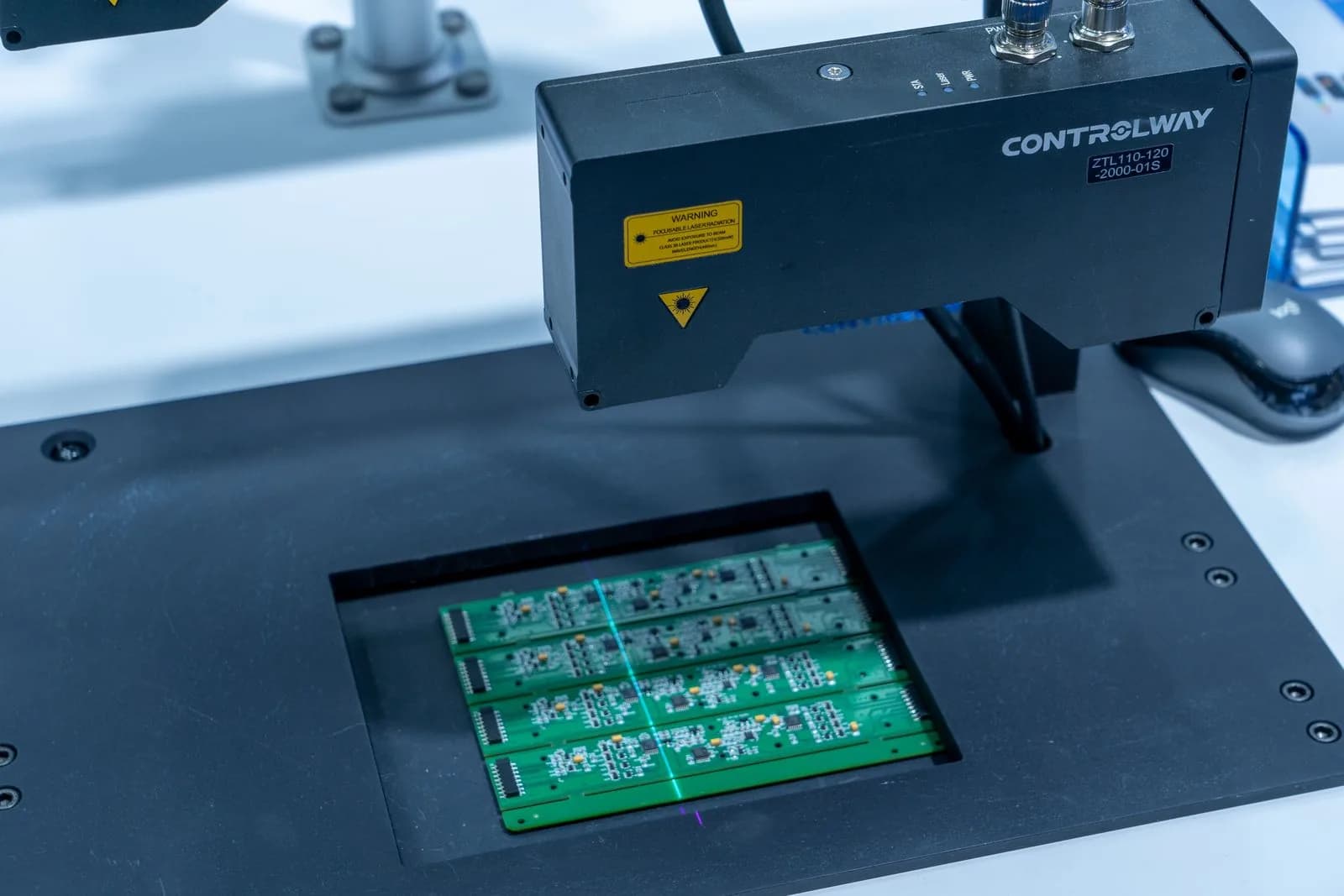
Automated PCB inspection machine running on a production line
Electronics Market Access

IEC 62368-1, EMC, Battery & RoHS/REACH Market Access Coaching

One coaching offer bundling IEC 62368-1, EMC, battery (UN 38.3/IEC 62133), RoHS/REACH/SCIP and CE/FCC/UL/CB market access.

One Market-Access Offer: Safety, EMC, Battery & Materials

Electronic products often face multiple requirements at once: IEC 62368-1 (hazard-based safety), EMC, battery safety and transport (UN 38.3 / IEC 62133), RoHS/REACH/SCIP material compliance, and CE/FCC/UL/CB market-access routes. QTC bundles these into a single coaching offer to help companies determine the applicable path, design the test plan, coordinate laboratories, review reports and drive remediation. Testing is performed by our sister companies or peer laboratories, and certification is completed by the relevant certification bodies.

  • Determine applicability and priority of IEC 62368-1, EMC, battery and RoHS/REACH
  • Bundle safety, EMC, battery, materials and access routes into one plan, reducing multi-vendor coordination
  • Clarify QTC's role: coaching, test coordination and report review

Choose the Market Route by Destination

Each destination market has different access routes and evidence requirements; choosing wrong leads to rework and delay. QTC helps clients map the more efficient route against their target market early on. Common routes by destination are compared below.

  • EU: CE-marking route — LVD/EMC/RED directives + IEC 62368-1 safety + DoC and technical file
  • US: FCC for EMC/RF; safety via NRTL (e.g., UL) listing/recognition
  • Multi-country: IECEE CB Scheme — CB report + certificate as the base, then national deviations
  • UK: UKCA / UK(NI) route, similar to CE but requires a separate conformity assessment
  • Batteries: embedded or standalone, confirm UN 38.3 and target-market safety standards (e.g., IEC 62133) first

Phased Market-Access Coaching Pathway

QTC advances stage by stage, each with verifiable deliverables. Timelines depend on product complexity, the number of target markets and existing test coverage, so they are estimated only after gap diagnosis — we do not quote durations before that.

  • Product profile and scope mapping: define product type, use scenario and target markets
  • Applicable requirements and gap diagnosis: benchmark against IEC 62368-1, EMC, battery, RoHS/REACH
  • Test plan and sample planning: define test item matrix, sample needs and lab alignment
  • Test coordination and report review: track lab progress and verify report/product-data consistency
  • Technical file and remediation loop: prepare DoC, technical file and labels; close failure items

Common Findings & Readiness Checklist

Market-access failures are usually not a single-standard problem but an incomplete evidence chain: mismatched test-report model numbers, missing technical files, non-compliant labels, unverifiable material declarations, or battery documents inconsistent with the product. QTC uses a pre-submission checklist to catch these before testing, and tracks PFAS as a priority watch item among emerging restricted substances.

  • Do report model numbers, capacity/Wh, voltage and other key data match the product nameplate
  • Are DoC, technical file, manual and labels (CE/FCC ID/UKCA) complete and correctly versioned
  • Are RoHS/REACH/SCIP material declarations and high-risk materials (plastics, alloys, flame retardants) traceable
  • Do battery UN 38.3 / IEC 62133 reports, transport documents and MSDS match the actual product
  • Have emerging restricted substances such as PFAS been included in material risk screening

Our Methodology & Capability

QTC's market-access coaching follows a "diagnose first, then plan, then close" method: benchmark clause by clause against standards and buyer requirements, use risk orientation to set test depth, and keep documents first — testing only for samples that documents cannot confirm. Our team is familiar with the safety, EMC, battery and material-compliance standard systems, and has hands-on experience coordinating with laboratories and certification bodies. We describe our capability anonymously, without citing specific clients or cases.

  • Clause-by-clause gap diagnosis benchmarked to standards and buyer requirements
  • Risk-oriented test depth: documents first, testing only for samples documents cannot confirm
  • Coordination experience with labs and certification bodies across safety, EMC, battery and material lines

Related Pages & Academy

QTC provides coaching, preparation and coordination. Testing is performed and reported by laboratories; certification/conformity assessment is completed by the relevant bodies or scheme owners. Related pages include electronics safety & EMC market access, RoHS/REACH/SCIP compliance, battery transport safety — and, for brands also managing supply-chain social responsibility, RBA/VAP readiness. See the Quality coaching hub for more quality coaching, and the Electronics industry hub for industry context. For structured learning on related standards and practice, visit the QTC Academy (link below).

  • Electronics safety & EMC market access coaching
  • RoHS/REACH/SCIP material compliance coaching
  • Battery UN 38.3 / IEC 62133 transport and safety coaching
Related hubs

Want structured learning on related standards and practice? Visit the QTC Academy.

Frequently Asked Questions

Common questions about this coaching service.

QTC provides coaching, preparation and coordination; formal audits, verification and certificates are issued by accredited bodies, scheme owners or the buyer's own auditors.